Source Electric Motor Climbing Bracket for Greenhouse Ventilation, Aquaculture, and Metal Stamping
Find and compare 30 electric motor climbing bracket options for greenhouse ventilation, aquaculture, and metal stamping applications. Buyers can review specifications, customization scopes, and pricing details from verified suppliers offering galvanized steel and aluminum alloy frames.
Key considerations
Products List


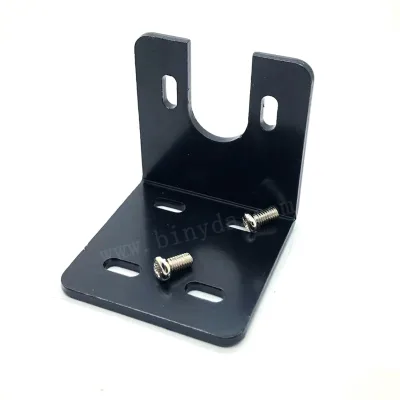


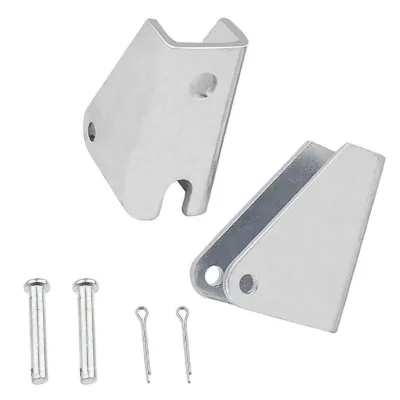
Comprehensive Sourcing Guide
Strategic Sourcing Guide for Electric Motor Climbing Brackets
The procurement of electric motor climbing brackets requires a disciplined approach that distinguishes between generic hardware components and specialized industrial climbing devices. While the core keyword suggests a mechanical fastening solution, the supplied product data reveals a complex ecosystem involving "Dacromet Climbing Devices" and "Film Greenhouse Ventilation" systems. This guide synthesizes available facts to help buyers navigate the specific technical and compliance landscape of these components, ensuring that sourcing decisions are grounded in verified attributes rather than speculative claims.
Technical Specifications and Material Composition
When evaluating electric motor climbing brackets, the primary focus must be on material integrity and dimensional precision. The supplied data indicates that high-performance units often utilize a "Hot-DIP Galvanized Steel Frame" or a combination of "Steel/Aluminum Alloy." This material selection is critical for applications exposed to harsh environments, such as "Production Greenhouse" settings or "Outdoor" locations. The galvanization process, specifically Hot-DIP, provides a robust barrier against corrosion, which is essential for the longevity of climbing mechanisms in agricultural or industrial sectors.
Dimensional tolerances are another non-negotiable specification. The available facts cite a tolerance of "0.01mm," a figure that suggests a high-precision manufacturing process suitable for "Metal Stamping Parts" and "Shaping Metal" operations. Buyers must verify that the specific bracket model they are sourcing adheres to this tight tolerance range to ensure seamless integration with electric motor shafts and mounting surfaces. The processing type is identified as "Cold Stamping" utilizing "Multistep Progressive Dies," which implies a high-volume production capability with consistent quality. However, for custom requirements, the "Fine Blanking" process is noted as "Open," indicating that suppliers may offer flexible manufacturing routes depending on the buyer's specific design needs.
The structural design also varies by application. Some units are categorized under "prod_model: NT-ED" with standard spans of "8/9/10MN spans30/40/50/60M," while others, such as "prod_model: XL0007," follow "according to buyer's requirement" standards. This variability necessitates a clear definition of the load-bearing requirements and spatial constraints before initiating the procurement process. The "Speed Ratio" of "1:1" mentioned in the context of greenhouse systems suggests that some climbing mechanisms are designed for direct drive applications without gear reduction, which impacts the torque requirements of the electric motor.
Compliance, Certification, and Industry Standards
Navigating the compliance landscape for climbing brackets involves verifying both general quality management systems and specific product certifications. The supplied data explicitly mentions "ISO9001" certification, which serves as a baseline indicator of a supplier's commitment to quality management. However, buyers should not assume that every listed product automatically satisfies this standard; rather, ISO9001 should be treated as a verification point during the supplier evaluation phase.
The "Dacromet Climbing Device" mentioned in the product attributes points to a specific coating technology known for superior corrosion resistance compared to traditional galvanization. While the data lists "Dacromet" as a product attribute, it does not provide specific test results or chemical composition data. Therefore, procurement teams must request material safety data sheets (MSDS) and corrosion test reports to validate the coating's performance in the intended environment.
Furthermore, the "Industry" classification of "Metal Stamping Parts" suggests that these components may fall under broader mechanical engineering standards. Buyers should verify if the supplier adheres to specific regional or international standards for metal fasteners and climbing equipment, such as ISO or DIN standards, which are not explicitly detailed in the provided facts. The "prod_standard" field offers a range of "8/9/10M*N spans," which acts as a reference for structural dimensions but does not replace the need for engineering validation. For custom orders, the standard is listed as "customized," meaning the buyer must define the acceptance criteria, including load limits and safety factors, in the purchase agreement.
Cost Drivers and Pricing Dynamics
The pricing for electric motor climbing brackets is influenced by several factors, including material costs, customization levels, and production volume. The observed price range in the market spans from "0.27 to 850 USD," a wide variance that reflects the diversity of products from simple stamped parts to complex, fully assembled greenhouse ventilation systems. The lower end of this range likely corresponds to basic metal stamping components, while the higher end encompasses integrated systems with environmental controls.
Material selection is a primary cost driver. "Hot-DIP Galvanized Steel" and "Aluminum Alloy" are generally more expensive than standard carbon steel, but they offer extended service life in corrosive environments. The "Customization" attribute is available, which allows for tailored solutions but inevitably increases the unit cost due to the setup of "Multistep Progressive Dies" or the use of "Fine Blanking" processes. The "MOQ" (Minimum Order Quantity) ranges from "1 to 1000," indicating that suppliers are flexible for prototyping or small-batch custom orders, but economies of scale will significantly reduce the per-unit cost for larger volumes.
Packaging also contributes to the final cost. The data lists "Standard Export Package" and "Wooden Case" as options. Wooden cases are typically more expensive but provide superior protection for heavy or precision components during international shipping. Buyers should weigh the cost of packaging against the risk of damage, especially for components with tight tolerances like the "0.01mm" specified units.
Typical Applications and Operational Environments
Electric motor climbing brackets serve diverse functions across multiple sectors, as evidenced by the "Application" field listing "Commerical/Agricultural Growing." The most prominent application is in "Production Greenhouse" environments, where these brackets support "Film Greenhouse Ventilation" systems. In this context, the climbing device facilitates the movement of shading nets or ventilation curtains, driven by electric motors to regulate temperature and light exposure.
The "Suitable" attributes expand the application scope to include "Aquaculture," "Flower," "Fruit," "Herbal Medicine," and "Mixed Farming." This versatility suggests that the brackets are robust enough to handle the humidity and chemical exposure found in aquaculture and greenhouse settings. The "Growing Plant" list, which includes "Strawberry," "Pepper," "Tomato," and "Medical Plant," further confirms the agricultural focus.
Beyond agriculture, the "Industry" classification of "Metal Stamping Parts" implies potential use in general manufacturing and construction. The "Location" attribute specifies "Outdoor" and "Indoor & Outdoor," indicating that the brackets are designed for dual-environment durability. The "Environmental System" components, such as "Cooling System/Irrigation System/Ventilation" and "Shading System/Heating System," highlight the integration of these brackets into complex climate control setups. For instance, in an "Ecological Greenhouse," the climbing mechanism might be part of a "Cultivation Method" that relies on "Ecological Symbiosis," requiring precise and reliable movement.
Supplier Evaluation and Selection Criteria
Selecting the right supplier for electric motor climbing brackets requires a rigorous evaluation process that goes beyond price comparison. Buyers should prioritize suppliers who demonstrate a clear understanding of the "Custom Scope," which includes support for "Custom Logo," "Tarpaulin Color," and "Packaging." This level of customization indicates a supplier capable of adapting to specific branding and logistical needs.
The "Processing Type" of "Shaping Metal" and the use of "Cold Stamping" suggest that the supplier has the necessary machinery and expertise. Buyers should verify the supplier's capacity for "Fine Blanking" if high-precision parts are required. The "prod_origin" is listed as "China," which is a common hub for metal stamping and greenhouse equipment. However, buyers must ensure that the supplier has a proven track record of exporting to their specific region and can navigate the associated logistics.
Quality control is paramount. The "Tolerances" of "0.01mm" require a supplier with advanced quality assurance protocols. Buyers should ask for evidence of in-process inspections and final quality checks. The "prod_packing" options, ranging from "Standard Export Package" to "Wooden Case," should be evaluated based on the fragility of the components and the shipping distance. A supplier offering "Standard Export Package" may be sufficient for domestic shipments, while international orders might require the more robust "Wooden Case."
Quality Control and Long-Term Procurement Considerations
Ensuring the long-term reliability of electric motor climbing brackets involves a comprehensive quality control strategy. The "Tolerances" of "0.01mm" are a critical metric that must be maintained throughout the production run. Buyers should implement a sampling plan that includes dimensional checks and material verification. The "Hot-DIP Galvanized Steel Frame" and "Dacromet" coatings should be tested for adhesion and corrosion resistance to ensure they meet the demands of "Outdoor" and "Indoor & Outdoor" environments.
Long-term procurement considerations also include the availability of spare parts and the supplier's ability to support maintenance. The "Customized" nature of the "prod_standard" means that replacement parts may need to be custom-made, so buyers should establish a long-term agreement with the supplier to ensure continuity. The "Speed Ratio" of "1:1" and the "Control Method" of "High Side Roll" suggest that the system is designed for specific operational speeds and control logic; any deviation in the bracket's performance could disrupt the entire environmental control system.
The "Environmental System" integration is another long-term factor. As the greenhouse or aquaculture facility expands, the climbing brackets must be scalable. The "Standard Export Package" and "Wooden Case" options should be standardized to simplify logistics and inventory management. Buyers should also consider the "Heating Method" of "Unheated" in the context of the bracket's thermal expansion properties, ensuring that the material can withstand temperature fluctuations without compromising structural integrity.
Final Procurement Recommendations
In conclusion, sourcing electric motor climbing brackets requires a balance of technical precision, material durability, and supplier reliability. The data indicates a market range from basic stamped parts to complex greenhouse ventilation systems, with prices varying significantly based on customization and material. Buyers must prioritize suppliers who can meet the "0.01mm" tolerance requirements and offer "Hot-DIP Galvanized" or "Dacromet" coatings for long-term durability.
The "ISO9001" certification serves as a baseline, but buyers should verify specific product certifications and test results. The diverse applications, from "Strawberry" cultivation to "Medical Plant" growing, highlight the versatility of these components but also the need for precise specification matching. By focusing on the "Custom Scope," "Processing Type," and "Environmental System" integration, buyers can secure a supply chain that supports their operational needs effectively.
The "Location" attributes of "Outdoor" and "Indoor & Outdoor" demand that the brackets be robust against environmental stressors. The "Standard" spans of "8/9/10M*N" provide a reference for structural design, but the "Customized" standard option allows for flexibility in unique project requirements. Ultimately, a successful procurement strategy relies on clear communication of technical requirements, rigorous quality control, and a partnership with a supplier capable of delivering high-precision, durable climbing brackets for the specific demands of the buyer's industry.
FAQs
What materials are used for electric motor climbing brackets?
The brackets typically use Hot-DIP Galvanized Steel Frame or Steel/Aluminum Alloy combinations. This material selection ensures durability in outdoor and production greenhouse environments while resisting corrosion.
Can these brackets support custom logo and packaging requirements?
Yes, customization is available for custom logos, tarpaulin colors, and packaging options. Suppliers offer standard export packages or wooden cases depending on the specific buyer requirements and shipping needs.
Which certifications do the manufacturers usually hold?
Some listed products carry ISO9001 certification as a baseline quality indicator. Buyers should verify this specific certification during supplier evaluation rather than assuming it applies to every unit.
How precise are the dimensional tolerances for these parts?
The manufacturing process maintains a tolerance of 0.01mm for high-precision applications. This level of accuracy is achieved through cold stamping using multistep progressive dies for consistent quality.
What is the minimum order quantity for these brackets?
The minimum order quantity ranges from 1 to 1000 units depending on the supplier and customization level. This flexibility allows for both prototyping small batches and large-scale production runs.
Where are these electric motor climbing brackets manufactured?
The products originate from China, which is a common hub for metal stamping and greenhouse equipment. Buyers should verify export capabilities and logistics when sourcing from this region.
How do these brackets function in greenhouse ventilation systems?
They support film greenhouse ventilation systems with a speed ratio of 1:1 for direct drive applications. The high side roll control method facilitates the movement of shading nets and ventilation curtains.